
Packaging lines rarely depend on a single machine. Good results usually come from equipment that works together smoothly. Some products need flexibility while others require speed. That balance can be difficult to achieve without the right setup. Manufacturers often look for systems that can handle different production demands without slowing operations. A practical combination of filling technologies can improve workflow and help maintain consistency. When each machine supports the next stage of production, packaging becomes more efficient and easier to manage even as business requirements continue to change.
Small Batch Flexibility That Keeps Production Moving
Not every production run requires maximum speed. Some products need careful handling, frequent adjustments, or smaller batch sizes. This is where semi-automatic auger fillers offer real value. Operators can manage filling tasks with greater control while maintaining consistent product quantities. These machines are especially useful when manufacturers work with speciality products or changing package formats. Their flexibility allows businesses to respond quickly to customer needs. Rather than investing in a one-size-fits-all approach, companies can create a packaging process that adapts to different production situations without unnecessary complications.
Speed Takes Centre Stage During High Volume Runs
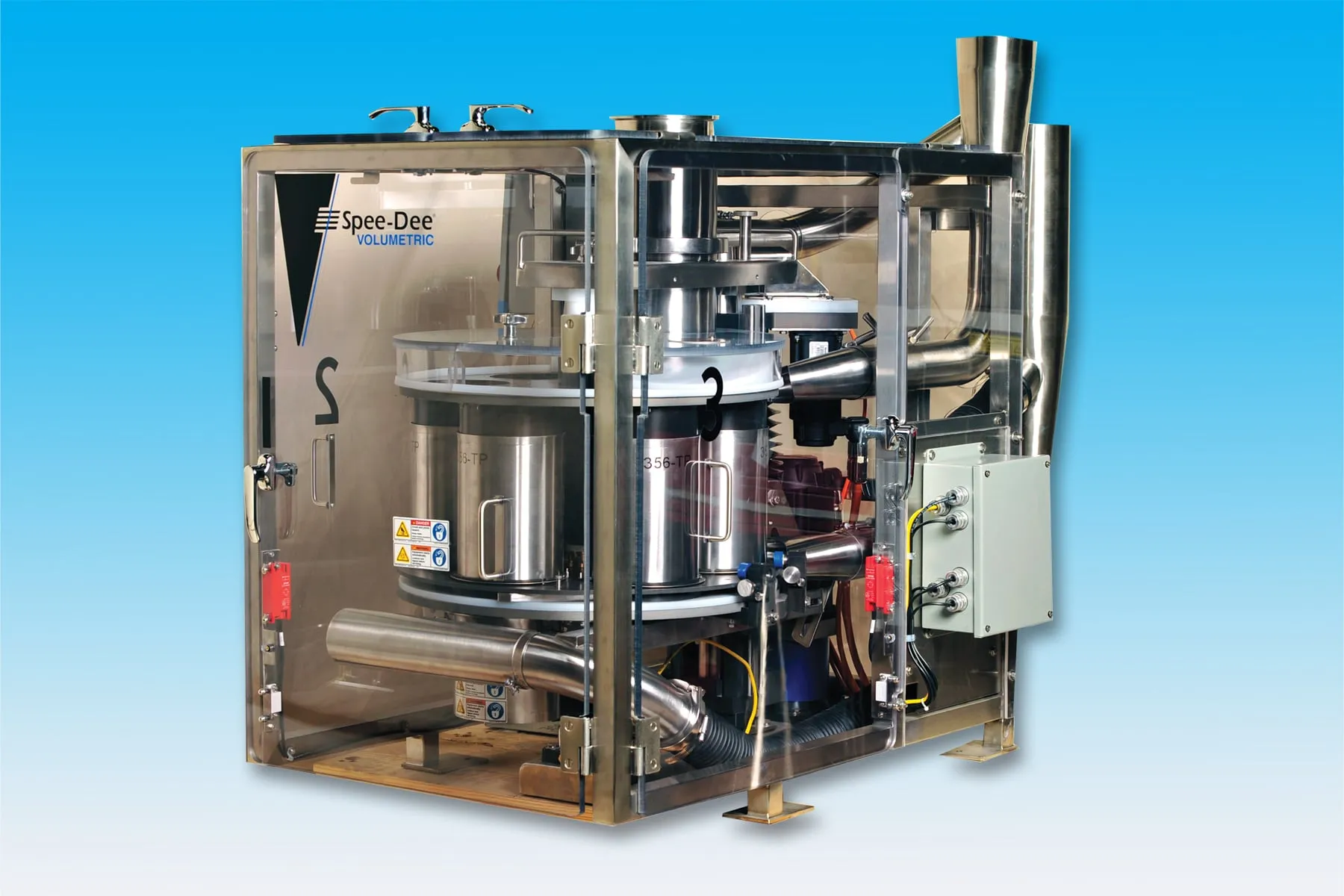
Large production schedules often demand equipment that can maintain a steady pace throughout the day. That is where rotary fillers become an important part of the packaging process. These systems are designed to support continuous production while helping maintain filling consistency. As products move through the line, operations remain organized and efficient. Faster throughput helps businesses meet demand without creating bottlenecks. For manufacturers handling larger volumes, reliable filling performance can contribute to smoother workflows and better use of production resources across multiple packaging shifts.
A Practical Match For Modern Manufacturing Floors
Sometimes the strongest production strategy is not choosing one machine over another. Different filling systems can support different goals within the same facility. Semi-automatic equipment may be used for testing new products, limited runs, or seasonal packaging needs. High-speed equipment can then handle larger orders once demand increases. This balanced approach allows businesses to maximise equipment value while maintaining operational flexibility. Instead of forcing every product through the same process, manufacturers gain the ability to select the most suitable solution for each production requirement.
Reducing Delays Through Better Equipment Planning
Production delays often happen when equipment cannot adapt to changing demands. A packaging line that includes multiple filling capabilities can help reduce these challenges. Operators gain more options when unexpected orders arrive or packaging requirements change. Production schedules become easier to manage because different systems can support different workloads. This flexibility helps improve efficiency without creating unnecessary complexity. Over time, thoughtful equipment planning can support stronger performance and help facilities maintain consistent output even during periods of increased demand.
Supporting Future Growth Without Major Disruption
Growth can place new pressure on manufacturing operations. Businesses may need to increase production while maintaining product quality and packaging accuracy. Equipment that offers flexibility alongside efficiency creates a strong foundation for expansion. Manufacturers can gradually scale operations without replacing every part of their existing process. This approach often reduces operational disruption and helps teams adapt more comfortably to changing market opportunities. Building a packaging system that can evolve allows companies to remain competitive while supporting long-term business goals.
Conclusion
Successful packaging operations depend on finding the right balance between flexibility and efficiency. Different filling technologies can work together to support changing production needs while maintaining consistency and productivity. As businesses continue to grow and adapt, reliable equipment remains an important part of long-term success. Companies exploring modern packaging solutions can discover valuable options that help improve accuracy, streamline workflows, and support dependable manufacturing performance over the long term.